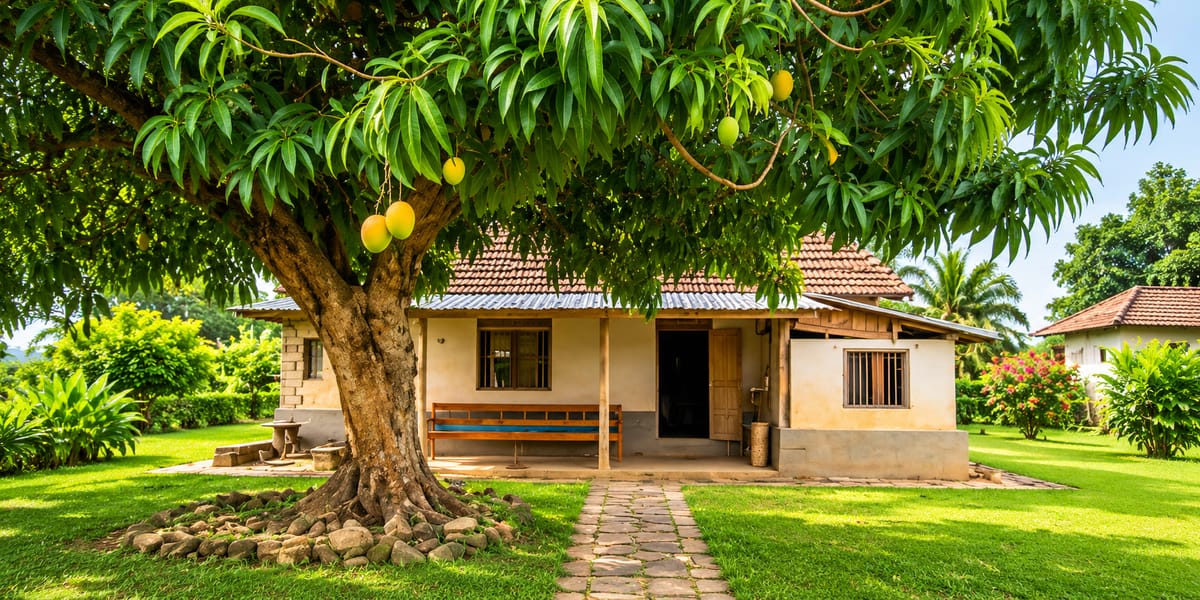
Ready-to-Plant Trees for Farmhouses: Best Varieties for Instant Greenery and Shade
Introduction
A farmhouse is more than a weekend home or a place away from the city. It is a space where natural surroundings, outdoor comfort and peaceful living come together. Trees play an important role in creating this environment by providing shade, improving the landscape and making open spaces feel more welcoming.
However, developing a green farmhouse landscape with small saplings takes time. Homeowners and property developers who want an established garden sooner can consider Ready Trees for Farmhouse Plantation. These are nursery-grown trees that can be selected and transplanted according to the property's landscaping requirements.
From broad-canopy shade trees to flowering varieties and elegant palms, ready-to-plant mature trees can help create a well-developed outdoor environment without waiting years for every tree to grow.
In this guide, we explore suitable tree varieties, selection factors and practical ways to plan a farmhouse landscape.
Why Choose Ready-to-Plant Mature Trees for Farmhouses?
Ready-to-plant trees offer several advantages for farmhouse owners who want visible landscaping results within a shorter period.
1. Instant Greenery
Fully grown trees for farmhouses create an established appearance soon after successful plantation. They are especially useful for newly developed properties with large open areas.
2. Natural Shade
Large-canopy trees can provide shade around lawns, outdoor seating areas, pathways and recreational spaces, making the surroundings more comfortable.
3. Improved Landscape Design
Mature trees add height, structure and visual depth. They can become focal points around entrances, gardens and outdoor living spaces.
4. Better Privacy
Strategically planted trees can create natural green boundaries and help separate outdoor activity areas from neighbouring properties.
5. Faster Landscape Development
Ready trees can help homeowners and developers achieve their desired landscape appearance sooner than planting only young saplings.
10 Best Tree Varieties for Farmhouse Plantation
Selecting the right varieties depends on available space, climate, soil conditions, water availability and the intended landscape design. Here are ten options worth considering.
1. Neem Tree
Neem is a popular Indian tree known for its adaptability and broad canopy. It is suitable for open farmhouse spaces where natural shade and a traditional green landscape are desired.
Best for: Boundary areas, open gardens and shade zones.
2. Mango Tree
Mango trees combine attractive foliage with seasonal fruit production. Their spreading canopy makes them suitable for spacious farmhouses and orchard-style landscapes.
Best for: Farmhouse gardens, fruit zones and open lawns.
3. Rain Tree
Rain Tree is valued for its wide, umbrella-shaped canopy. It can create a natural shaded area and a strong visual focal point in large properties.
Best for: Large lawns, outdoor seating and avenue planting.
4. Gulmohar Tree
Gulmohar is known for its striking red-orange flowers and spreading branches. It adds seasonal colour and ornamental value to farmhouse landscapes.
Best for: Driveways, garden focal points and flowering avenues.
5. Banyan Tree
Banyan is a magnificent large tree with an extensive canopy and characteristic aerial roots. It requires substantial space and careful placement.
Best for: Large estates, spacious open grounds and natural gathering areas.
6. Silver Oak
Silver Oak has a tall, upright growth habit and an attractive appearance. It can be considered for larger properties where vertical greenery is required.
Best for: Farm boundaries, avenues and large landscape layouts.
7. Jamun Tree
Jamun is a fruit-bearing tree with dense foliage. It offers a combination of greenery, seasonal fruit and shade when planted in suitable conditions.
Best for: Fruit gardens, farmhouse landscapes and open spaces.
8. Royal Palm
Royal Palm adds height and an elegant tropical appearance. Its structured form works particularly well in entrance areas and along driveways.
Best for: Main entrances, pathways and premium farmhouse landscaping.
9. Kadamba Tree
Kadamba is recognised for its rounded canopy and distinctive flowers. It can add natural character and seasonal interest to a spacious garden.
Best for: Open lawns, garden focal points and nature-inspired landscapes.
10. Indian Almond
Indian Almond has a broad canopy and attractive foliage. It is a useful ornamental option where local climate and soil conditions are suitable.
Best for: Large gardens and selected landscape or avenue applications.
How to Select the Right Ready Trees for Your Farmhouse
Before purchasing mature trees, consider the following important factors.
1. Measure the Available Space
Check the planting area and consider the tree's expected height, canopy spread and root development. Large trees for plantation need adequate space away from buildings, compound walls and underground utilities.
2. Understand Soil and Climate
Choose varieties that can adapt to the local climate, soil type and rainfall conditions. Proper drainage and soil preparation are important for healthy establishment.
3. Define Your Landscaping Purpose
Decide whether you need trees for shade, privacy, flowering, fruit production, entrance design or boundary development. This helps create a balanced selection.
4. Check Tree Health
Inspect the trunk, branches, foliage and root ball. Avoid trees showing signs of serious pest infestation, disease or physical damage.
5. Plan Water Availability
Newly transplanted mature trees need appropriate watering and aftercare. Consider irrigation access before finalising planting locations.
6. Consider Professional Transportation and Plantation
Moving large trees requires suitable equipment and careful handling. Root-ball preparation, safe transportation, correct planting depth and post-plantation care all influence successful establishment.
Farmhouse Landscaping Ideas Using Mature Trees
A thoughtful layout can make a farmhouse more functional and visually attractive.
- Main entrance: Plant Royal Palms or suitable upright trees to create a welcoming approach.
- Outdoor seating: Position broad-canopy trees such as Rain Tree or Neem at appropriate distances to provide natural shade.
- Garden boundaries: Use suitable tree varieties to create green screening and define property edges.
- Fruit garden: Combine Mango and Jamun trees in a planned planting area.
- Open lawn: Use Gulmohar or Kadamba as ornamental focal points.
- Large open grounds: Combine shade, flowering and evergreen varieties to create visual diversity.
For more tree ideas, see our guide to the 15 Best Trees for Farmhouse Landscaping.
For customised residential landscape planning, explore Bungalow, Farmhouse & Vacation Home Landscaping.
You can also explore Forest & Shade Plants for additional tree varieties suited to shade and green-cover requirements.
Why Choose Pansare Nursery for Ready-to-Plant Trees?
Choosing the right nursery is an important part of farmhouse development. Tree quality, variety selection, root-ball condition and transportation arrangements can influence the outcome of a plantation project.
Pansare Nursery provides mature and ready landscaping trees for residential, commercial and large landscaping requirements. With a wide range of tree varieties and professional guidance, the nursery helps customers identify suitable options for their outdoor spaces.
Whether you are planning a single garden, a large farmhouse property or a landscape development project, explore the Mature & Ready Landscaping Plants range.
For projects involving existing trees that need relocation, you can also learn about Professional Tree Transplantation Services.
To understand the nursery's background and growing practices, visit the About Pansare Nursery page.
Conclusion
Creating a beautiful farmhouse landscape becomes easier when the right trees are selected according to the property's space, climate and design requirements. Ready Trees for Farmhouse Plantation offer an effective way to establish greenery, create natural shade and add visual character without relying entirely on young saplings.
From Neem, Mango and Rain Tree to Gulmohar, Jamun and Royal Palm, each variety serves a different landscaping purpose. Careful planning, healthy tree selection and professional transplantation can help establish a greener and more welcoming farmhouse environment.
Choose suitable mature trees and develop an outdoor space that can be enjoyed for years to come.
Frequently Asked Questions
What are ready-to-plant mature trees?
Ready-to-plant mature trees are nursery-grown trees that have developed beyond the young sapling stage and are prepared for transplantation into gardens, farmhouses and landscaping projects.
Which trees are best for farmhouse plantation in India?
Neem, Mango, Rain Tree, Gulmohar, Jamun, Kadamba and Silver Oak are popular options. The right choice depends on local climate, soil, available space and landscaping objectives.
Can fully grown trees be planted in an existing farmhouse?
Yes. Mature trees can be transplanted into existing properties with suitable access, equipment, root-ball preparation and professional handling.
Do ready trees provide instant shade?
Established trees with developed canopies can provide more immediate shade than small saplings. The amount of shade depends on the species, canopy size and planting location.
What should I check before buying large trees for plantation?
Check tree health, trunk condition, root-ball quality, canopy structure, pest or disease symptoms and suitability for the intended location.
How do I maintain trees after transplantation?
Provide appropriate watering, mulch where suitable, monitor soil moisture and protect the root zone. Follow species-specific care recommendations and seek professional guidance during the establishment period.
Where can I find mature tree suppliers in India?
You can explore Pansare Nursery's Mature & Ready Landscaping Plants page for mature tree and landscaping plant options.

