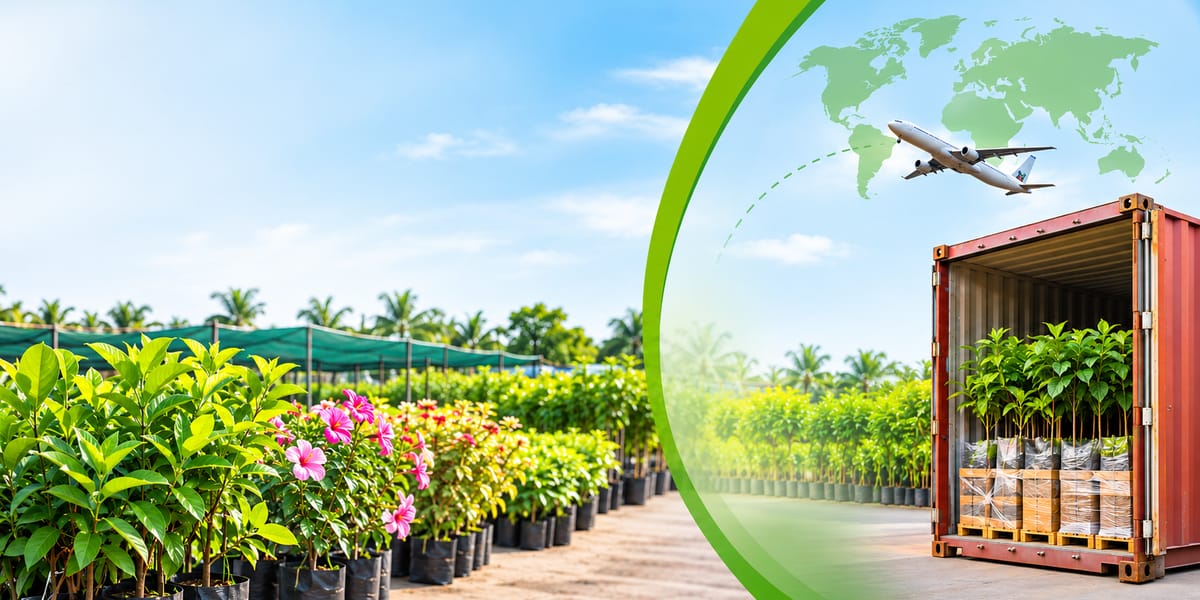
How to Choose Reliable Nursery Plants Exporters in India for Bulk and International Orders
Introduction
India has become an important destination for businesses and international buyers looking for diverse varieties of nursery plants. With favourable climatic conditions, established horticultural practices and a wide range of plant species, Indian nurseries supply fruit plants, ornamental trees, flowering plants, forest trees and landscaping plants to different markets.
However, purchasing plants in bulk or importing them internationally requires careful planning. Buyers must consider several factors beyond pricing, including plant health, nursery infrastructure, production capacity, export documentation, packaging and transportation arrangements.
Choosing reliable Nursery Plants Exporters India is essential for businesses, agricultural organisations, landscaping contractors, plantation developers and international distributors. A dependable supplier should understand bulk procurement requirements and provide clear information about plant varieties, specifications and shipping procedures.
Whether you are sourcing wholesale nursery plants for a commercial plantation or importing specialised varieties for landscaping, this guide explains how to identify suitable nursery plant exporters in India.
1. Check the Exporter's Experience and Reputation
The first step is to evaluate the experience and reputation of the nursery exporter. An established supplier generally understands plant cultivation, bulk order management, quality inspection and international shipping procedures.
Before selecting a supplier, check how long the nursery has been operating, which plant categories it specialises in and whether it has experience handling large orders.
Consider these factors:
- Years of experience in the nursery industry.
- Previous domestic and international supply experience.
- Availability of different plant varieties.
- Customer feedback and business references.
- Ability to manage bulk quantities.
- Transparency in commercial communication.
You should also understand whether the exporter operates its own nursery or sources plants from other growers. This helps determine how consistently the supplier can manage plant quality and availability.
2. Evaluate Plant Quality and Health
Plant quality is one of the most important considerations when purchasing plants in bulk. Healthy plants with suitable root development and strong stems have better prospects of establishing after transplantation when provided with appropriate growing conditions.
Before confirming an order, request recent photographs, videos or an opportunity to inspect the plants.
Important quality factors include:
Healthy foliage: Leaves should have a natural appearance without excessive yellowing, unusual spots or visible pest damage.
Strong root development: Roots should be healthy and sufficiently developed for the selected plant variety and growing stage.
Disease and pest inspection: Plants should be regularly monitored for common pests, fungal infections and other plant health concerns.
Correct identification: Botanical names and variety details should be clearly mentioned to avoid confusion between similar-looking species.
Suitable plant specifications: Height, age, container size and growth characteristics should match the buyer's requirements.
Reliable plant nursery suppliers India should be transparent about available stock and the condition of plants before dispatch.
For large orders, establish written quality acceptance criteria covering plant height, quantity, root condition and packaging specifications.
3. Check Nursery Infrastructure and Production Capacity
A nursery supplying bulk orders should have adequate infrastructure and organised plant management systems. Large orders require consistent cultivation practices, proper maintenance and sufficient space to prepare plants for dispatch.
When evaluating bulk nursery plant suppliers, check for:
- Adequate nursery space for different plant categories.
- Proper irrigation and drainage facilities.
- Shade-net and suitable growing arrangements.
- Separate areas for seedlings, saplings and mature plants.
- Regular pruning and plant maintenance.
- Pest monitoring and plant health management.
- Organised inventory and order preparation.
Production capacity is equally important. For example, if you require 5,000 fruit plants or 10,000 forest saplings, the supplier should confirm whether the complete quantity is available or requires advance cultivation.
A professional exporter should communicate realistic timelines and avoid accepting quantities that cannot be supplied within the agreed schedule.
4. Understand the Range of Plants Available
Different projects require different plant varieties. Agricultural distributors may need grafted fruit plants, while landscaping contractors may require ornamental trees, flowering plants and mature specimens.
A supplier with a diverse plant catalogue can make procurement easier, particularly for projects involving multiple plant categories.
Common categories include:
Fruit Plants: Mango, guava, lemon, pomegranate, jamun, coconut and custard apple.
Grafted Fruit Plants: Selected grafted varieties for agricultural and commercial cultivation.
Forest and Shade Plants: Neem, banyan, peepal, gulmohar, kadamba and other suitable tree varieties.
Ornamental and Flowering Plants: Bougainvillea, hibiscus, plumeria, palms, ixora and decorative foliage plants.
Mature Landscaping Trees: Established trees for farmhouses, resorts, residential developments and commercial landscapes.
Explore Plants Exporters in India to learn more about fruit plant varieties and nursery supply options.
5. Verify Export Documentation and Phytosanitary Requirements
International plant transportation involves specific regulatory procedures. Importing countries establish plant health requirements to prevent the introduction of pests, diseases and other biological risks.
Before placing an international order, discuss the applicable documentation with the exporter.
Common documents and requirements may include:
- Phytosanitary Certificate: Issued by the authorised plant protection authority after applicable inspection and certification.
- Import Permit: Required by certain countries before plants can enter their territory.
- Commercial Invoice: Contains transaction and shipment value details.
- Packing List: Specifies plant quantities and packaging information.
- Certificate of Origin: May be required to establish the country of origin.
- Customs Documentation: Required for applicable export and import clearance procedures.
Additional inspection, treatment or quarantine requirements may apply depending on the destination and plant species.
Buyers should independently verify the latest requirements with their country's plant protection or quarantine authority before confirming an order.
6. Evaluate Packaging and Transportation Arrangements
Live plants require specialised handling because they can be affected by moisture, temperature, physical movement and transportation duration.
Suitable packaging helps reduce the possibility of damaged roots, broken branches and dehydration during transit.
Before selecting an exporter, understand its plant preparation and packaging procedures.
Important considerations include:
Root Protection: Roots should be protected using an appropriate method based on plant type and destination requirements.
Moisture Management: Suitable moisture conditions should be maintained to minimise dehydration.
Secure Packaging: Plants should be arranged carefully to prevent unnecessary movement and physical damage.
Ventilation: Packaging should provide suitable airflow wherever required.
Transit Planning: Shipping duration, handling arrangements and environmental conditions should be considered.
Regulatory Compliance: Packaging materials must comply with the importing country's biosecurity and packaging regulations.
Buyers should also confirm whether plants will be transported bare-root, in containers or using another approved method. Some countries restrict specific growing media, making advance verification essential.
7. Compare Pricing and Understand the Complete Cost
Price is an important factor when sourcing wholesale nursery plants. However, choosing a supplier solely because of a lower quotation may not always be economical.
Prices can vary depending on plant variety, age, height, container size, growing method and order quantity.
Compare quotations using the following factors:
- Plant cost and variety specifications.
- Quantity and available stock.
- Packaging and preparation expenses.
- Inspection and documentation charges.
- Transportation and freight costs.
- Applicable taxes and customs-related expenses.
For international orders, clarify delivery terms and responsibilities for freight, insurance, export clearance and import-related costs.
A detailed quotation helps buyers compare different nursery plant exporters and understand the actual procurement expenses.
8. Check Communication and Order Management
Clear communication is essential when managing bulk and international plant orders. Buyers may need regular updates about plant availability, order preparation, quality inspection, documentation and shipment schedules.
A professional exporter should provide accurate information and respond to questions without unnecessary delays.
Before confirming an order, check whether the supplier can:
- Share updated plant availability lists.
- Provide detailed quotations.
- Confirm quantities and plant specifications.
- Share photographs or videos before dispatch.
- Explain packaging and shipping procedures.
- Provide updates during order preparation.
- Maintain written records of commercial agreements.
Written confirmation of plant specifications, quantities, delivery responsibilities and payment terms helps avoid misunderstandings.
9. Consider Climate Compatibility and Plant Adaptation
A plant suitable for one geographical region may not necessarily perform well in another. Climate compatibility is particularly important for international buyers sourcing plants from India.
Temperature, humidity, rainfall, sunlight, soil type and water availability influence plant establishment and growth.
Before purchasing, discuss the following with the supplier:
- Suitable climatic conditions for the selected varieties.
- Soil and drainage requirements.
- Sunlight and irrigation needs.
- Seasonal considerations for transplantation.
- Acclimatisation and hardening requirements.
- Post-arrival plant care recommendations.
Plant hardening involves gradually preparing plants for changing environmental conditions before transportation or transplantation.
Buyers should also confirm whether the destination country permits the selected species, as certain plants may be restricted due to invasive species concerns or biosecurity regulations.
For plantation and large-scale greenery requirements, explore Forest & Shade Plants.
10. Look for Long-Term Supply Partnerships
Businesses involved in landscaping, agriculture, wholesale distribution and plantation development may require plants regularly. Therefore, selecting a supplier capable of supporting repeat orders can be beneficial.
Before establishing a long-term partnership, evaluate:
- Consistency in plant quality.
- Ability to fulfil repeat bulk orders.
- Availability of different varieties.
- Transparent pricing and commercial terms.
- Timely communication and order updates.
- Flexibility in managing project requirements.
- Understanding of export preparation procedures.
Advance planning is particularly useful for seasonal requirements and large-volume orders. A dependable supplier relationship can make procurement more organised and support better project coordination.
Why Choose Pansare Nursery for Bulk and International Plant Requirements?
Selecting a nursery with appropriate experience, plant varieties and supply infrastructure is important for successful procurement.
Pansare Nursery, based in Kashti, Shrigonda, Ahilyanagar, Maharashtra, offers different categories of plants for domestic and international requirements.
Its plant range includes fruit plants, grafted fruit plants, ornamental and flowering plants, forest and shade plants, and mature landscaping trees.
The nursery focuses on plant selection, cultivation, maintenance, pruning and preparation for delivery.
Some important aspects include:
- Wide Plant Selection: Different varieties of fruit, ornamental, flowering and forest plants.
- Bulk Supply Requirements: Plant sourcing and supply for larger plantation and landscaping projects.
- International Buyer Requirements: Coordination of plant selection and shipment preparation for international orders.
- Nursery Management: Attention to plant growth, maintenance and quality selection.
- Project-Based Supply: Plant varieties for landscaping, plantation and green infrastructure requirements.
International buyers, wholesale distributors, commercial growers and landscaping contractors can discuss their requirements with Pansare Nursery to understand suitable varieties, quantities and supply arrangements.
Explore Ornamental & Flowering Plants for decorative plants suitable for landscaping and commercial greenery projects.
Conclusion
Choosing reliable nursery plant exporters is an important decision for businesses, landscaping professionals, agricultural organisations and international plant importers. Plant quality, nursery infrastructure, production capacity, export documentation, packaging and transportation arrangements should all be evaluated before placing bulk orders.
India offers a diverse selection of nursery plants supported by established horticultural practices and a growing plant supply industry. However, successful international procurement depends on selecting suitable varieties, understanding destination-country regulations and working with suppliers who communicate clearly throughout the purchasing process.
Pansare Nursery aims to support domestic and international buyers with a diverse selection of fruit, forest, ornamental and landscaping plants. By discussing plant specifications, quantities and delivery requirements in advance, buyers can explore suitable supply options for their plantation, landscaping or wholesale procurement projects.
If you are looking for Nursery Plants Exporters India for bulk or international orders, connect with Pansare Nursery to discuss your requirements and explore available plant varieties.
Frequently Asked Questions
How do I choose reliable nursery plants exporters in India?
Look for exporters with established nursery operations, experience in bulk supply, healthy plant varieties, transparent pricing and knowledge of international export procedures. Verify plant quality, documentation capabilities and transportation arrangements before placing an order.
What types of plants can I purchase from Indian nursery suppliers?
Indian nursery suppliers offer fruit plants, grafted fruit varieties, ornamental trees, flowering plants, forest trees, shade plants, palms and mature landscaping plants. Availability depends on the nursery and seasonal growing conditions.
Can Indian nursery plant exporters handle bulk international orders?
Yes, several Indian nursery exporters cater to bulk international requirements. Buyers should confirm available quantities, production capacity, plant specifications, packaging arrangements and destination-specific export requirements before finalising an order.
What documents are required to import nursery plants from India?
Common requirements include a phytosanitary certificate, commercial invoice, packing list and applicable customs documentation. Depending on the importing country and plant species, an import permit, certificate of origin and additional inspection may also be required.
How can I check the quality of export-quality plants from India?
Request recent photographs, videos, botanical names and plant specifications. Check foliage, root development, stem condition and visible signs of pests or diseases. For large orders, consider a physical or pre-dispatch inspection.
What factors affect the cost of wholesale nursery plants?
Plant variety, size, age, quantity, growing method, container requirements, packaging, transportation and documentation can affect the final cost. International orders may also involve freight and customs-related expenses.
How are live nursery plants packed for international transportation?
Depending on plant species and destination regulations, plants may be packed using suitable root protection, moisture management and secure packaging methods. Ventilation, transit duration and applicable biosecurity requirements must also be considered.
Why is climate compatibility important when importing plants?
Plants require suitable temperature, humidity, sunlight, soil and water conditions to establish successfully. Buyers should select varieties appropriate for their destination and obtain guidance on acclimatisation, transplantation and plant care.
Does Pansare Nursery supply different categories of plants?
Yes. Pansare Nursery offers different categories, including fruit plants, grafted fruit plants, ornamental and flowering plants, forest and shade plants, and mature landscaping trees for different plantation and landscaping requirements.
How can international buyers contact Pansare Nursery?
International buyers can visit www.pansarenursery.in to discuss plant varieties, bulk quantities, availability and applicable export requirements.

